

Rue Bennett Deserved Better
As HBO’s 'Euphoria' comes to an end, fans are still reeling over its devastating finale.

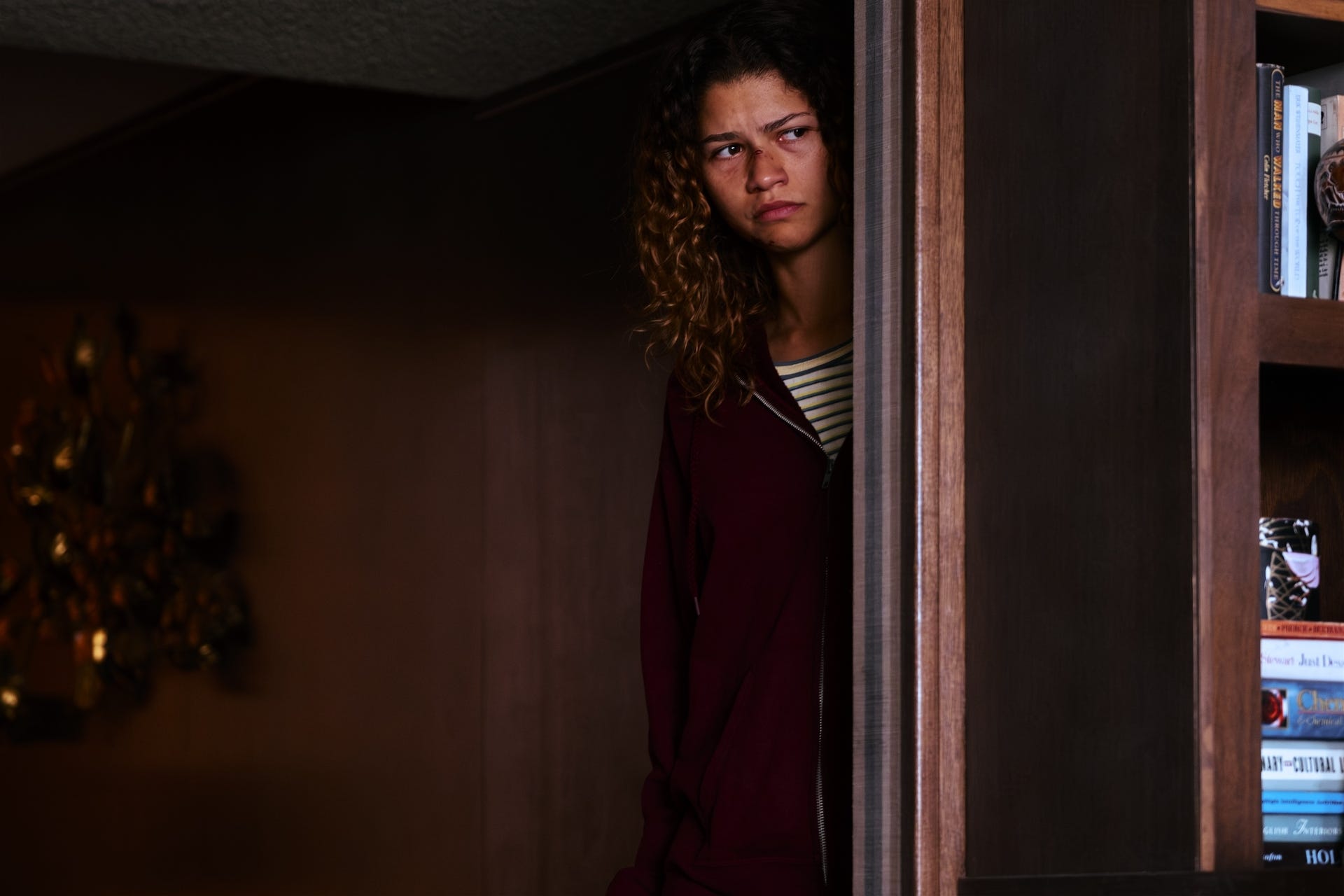
This essay contains spoilers for Euphoria.
At long last, HBO’s buzzy drama Euphoria came to an end this past Sunday.
Over the course of a season that often felt disjointed, viewers held on to the hope that the series’ protagonist Rue Bennett (Zendaya) would have a happy ending after suffering from addiction for years. But much to fans disdain, such was not the case.
Rue was among four characters who died in the series finale after taking Percocet laced with fentanyl given to her by her boss — a drug supplier, sex trafficker, and strip club owner named Alamo Brown (Adewale Akinnuoye-Agbaje). Earlier in the episode, Laurie (Martha Kelly) — who fronted Rue $10,000 worth of drugs in a suitcase back in Season 2, and made her a drug mule in Season 3 to pay off her debt — died by suicide to avoid prison. G (Marshawn Lynch), one Alamo’s henchmen, was shot in the genitals by Ali (Colman Domingo), who later shot and killed Alamo, avenging Rue’s death.
In the days since the finale, fans have remained divided over Rue’s fate. Some have argued that while Rue’s death was tragic, such is the reality for those who suffer from addiction. Others have argued that Rue had been working to turn her life around and was on her way to redemption.

As Ali put it in a standalone episode of Euphoria that aired in December 2020 at the height of COVID, “You didn’t come out of the womb an evil person... You came out of the womb a beautiful baby girl, who unbeknownst to her, had a couple of wires crossed. So when you tried drugs for the first time, it set something off in your brain that’s beyond your control.”
It is in this same episode where Rue says she doesn’t believe in God and is unwilling to put her faith in a higher power, which is step 2 of the traditional 12-step recovery program.
By season 3, Rue begins reading the bible and going to church to pray and meditate. That’s not to say that only those who believe in God deserve redemption. As an agnostic theist, this idea isn’t aligned with my belief system. But in the four years in the story’s timeline from which season 3 picks up, Rue had sought out some sort of moral compass and had been working to make amends to those whom she had hurt while in active addiction. Though she was still making drug runs across the border, she herself hadn’t been using, other than occasionally smoking some weed. Again, this isn’t to say that only those who are sober deserve to live happy, healthy lives. But all things considered, those who love Rue — and love people like Rue in their real lives — were hopeful that her hard work would lead to a more joyful ending.
Not to mention, the trope of a fictional character who was once in a dark place finally getting their life together, only for them to see their demise in the end, is tired. I often wish I would’ve stopped watching Orange is the New Black after the death of Poussey Washington (Samira Wiley) in the show’s fourth season. Equally as heartbreaking was the death of Glenn Rhee (Steven Yeun) on The Walking Dead after he had worked so hard to build a peaceful life for himself and his wife.
Perhaps the most disappointing part about Rue’s death was showrunner Sam Levinson’s reasoning for killing her off. “It felt like an honest ending,” Levinson said in a post-show featurette. “The honest ending is people like Rue don’t make it.”
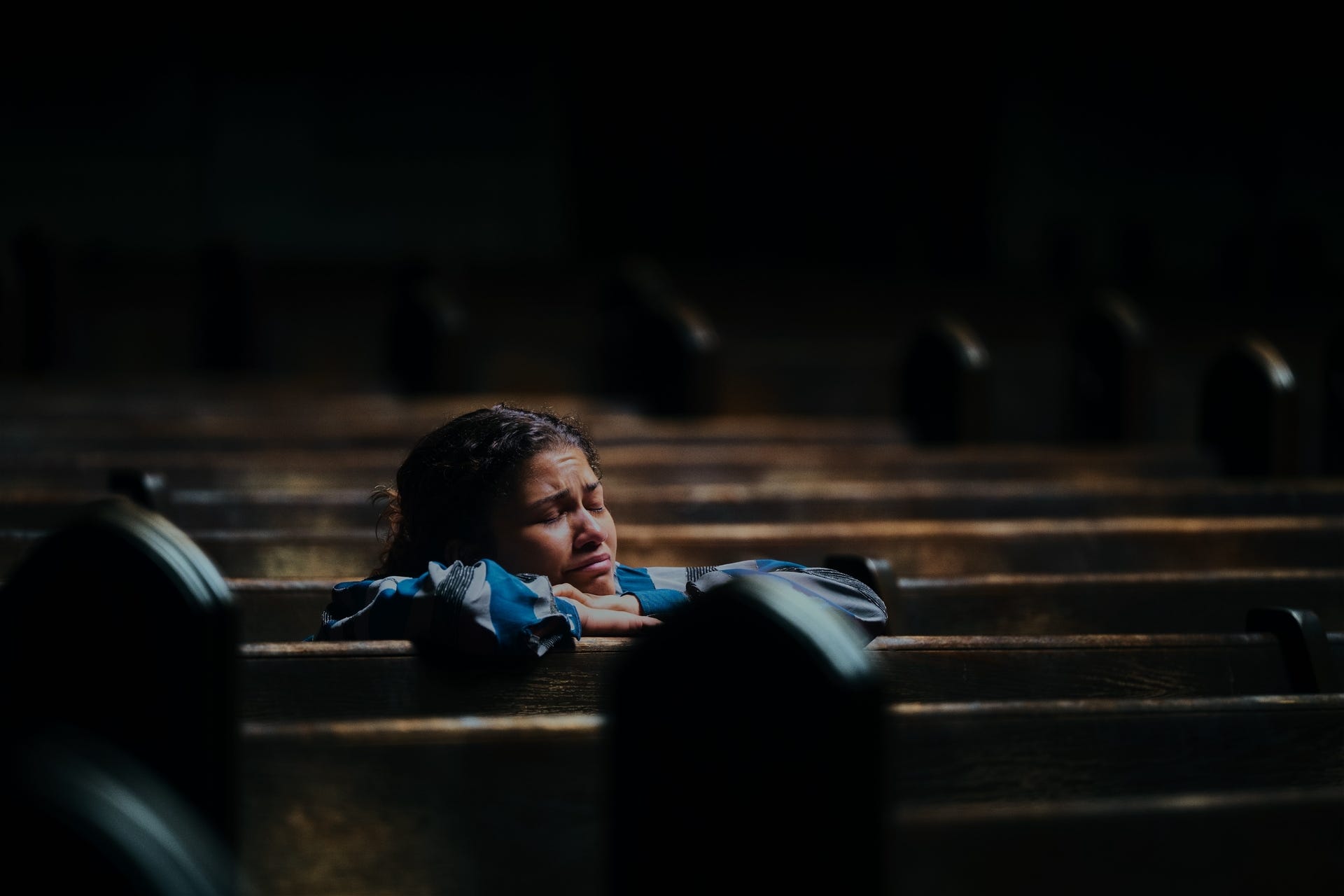
Some recovering addicts took offense to this, many noting that this is harmful rhetoric and perpetuates the idea that addicts are unable to turn new paths — especially as Rue was often believed to be a self-insert for Levinson.
“people saying this [ending] ‘make[s] sense’ yet we watched rue maintain her sobriety for an entire season only to be taken down by a spiked pill felt like a cruel gimmick,” wrote one fan on X. “she only took it thinking it was meds for her pain, not because she was struggling with addiction anymore!”
“saddest part is that this was the highlight of the entire season,” wrote another viewer. “a reminder that Rue’s struggle with addiction was the heart and purpose of euphoria from the very beginning, yet sam only thought it would be relevant for ten minutes in the last episode.”
Though Rue’s fate reflects the heartbreaking reality for addicts, and those who love them, many of us would’ve loved to have seen her efforts toward a better life prove fruitful.